Badminton is not just a popular sport but also a fantastic way to promote fitness, speed, and agility. However, to enjoy the game and maintain player safety, the quality of the playing surface is extremely important. Whether you’re building a court for professional tournaments, schools, or recreational purposes, understanding the essentials of Badminton Court Flooring and construction is the first step toward creating a reliable and durable facility.
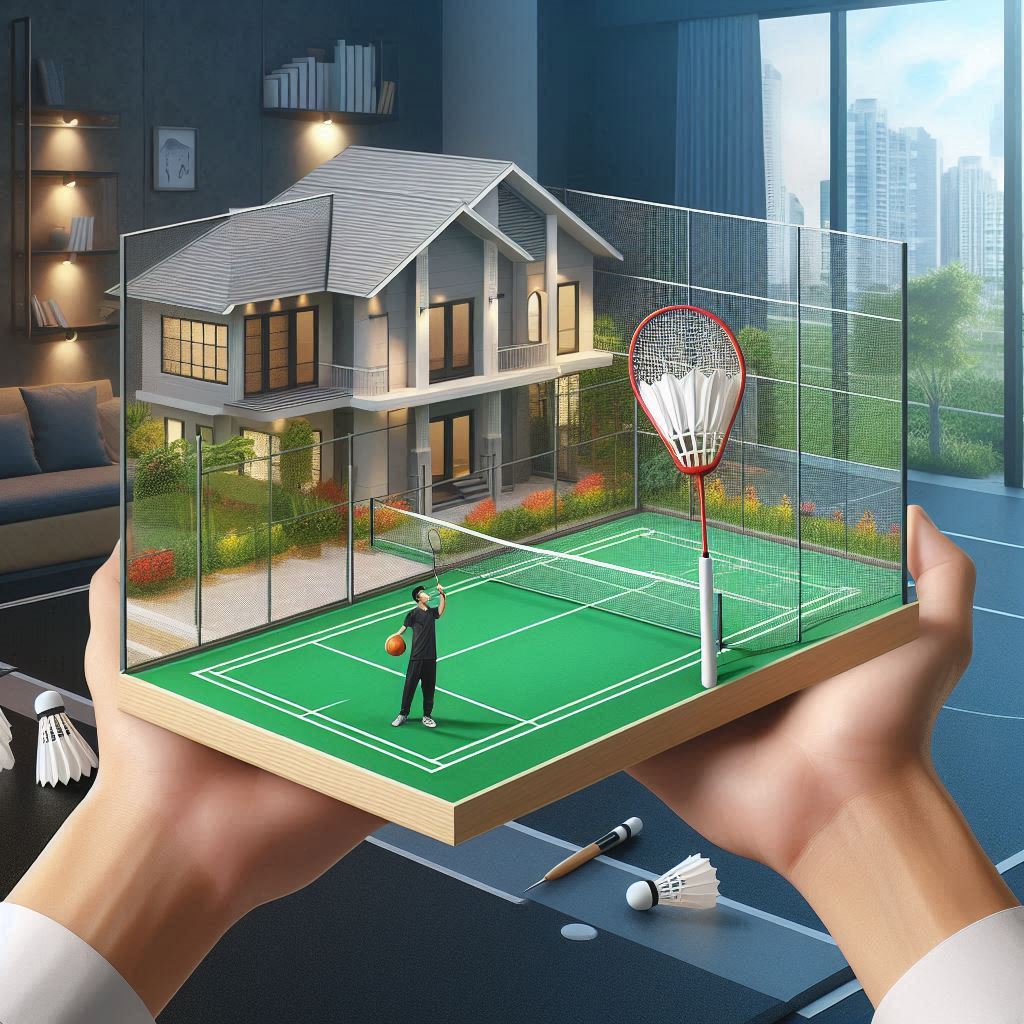
Why Quality Flooring is a Must for Badminton Courts
The floor is one of the most critical components of any badminton court. Badminton Court builder A well-designed floor enhances gameplay, prevents injuries, and provides the ideal grip and comfort for players. Inferior flooring can lead to slips, fatigue, and long-term joint problems, making it a poor investment in the long run.
Badminton involves quick direction changes, high-speed footwork, and frequent jumps. The floor must absorb shock efficiently while providing stability to players. Therefore, selecting the right materials for your court is essential for performance and player safety.
Popular Types of Badminton Court Flooring
The type of flooring chosen depends on the purpose of the court, whether it’s for professional games, practice sessions, or recreational play. Here are the most common flooring options:
1. Wooden Flooring
Wooden floors are a preferred choice for indoor badminton courts, especially in professional settings. They offer excellent shock absorption, durability, and a smooth playing surface. Maple and teak are commonly used for their strength and aesthetic appeal.
2. PVC or Vinyl Synthetic Flooring
PVC or vinyl synthetic surfaces are affordable, easy to maintain, and provide good traction. These floors are often used in schools, clubs, and multipurpose sports halls. They are also suitable for both amateur and professional games.
3. Acrylic or PU Flooring
For outdoor courts, acrylic or polyurethane (PU) flooring is recommended. These surfaces are weather-resistant, slip-proof, and can withstand heavy usage. They are also easy to clean and maintain.
4. Concrete or Cement Flooring
Concrete or cement surfaces are the most basic option for badminton courts. However, these are not ideal for professional play as they offer poor shock absorption and can lead to injuries. They are mostly used for temporary or practice setups.
Steps Involved in Badminton Court Construction
Building a badminton court is a technical process that requires expertise, precision, and quality materials. The process includes the following key steps:
1. Site Inspection and Planning
The first step is to inspect the proposed site for the court. Builders assess factors like space availability, soil condition, ventilation, and lighting. Proper planning ensures optimal court performance and longevity.
2. Subfloor Preparation
A strong, stable, and moisture-resistant subfloor is essential before laying the final surface. For indoor courts, wooden frames or sprung floors are used to add shock absorption and comfort.
3. Flooring Installation
Once the subfloor is ready, the selected flooring material is installed. Precision is key here to ensure a level surface with no gaps or uneven areas.
4. Court Markings
Accurate court markings are applied as per Badminton World Federation (BWF) standards. This includes boundary lines, service boxes, and net placement.
5. Final Inspections
The last step involves inspecting the entire court for safety, accuracy, and quality of construction.
Why Professional Construction is Recommended
Partnering with experts for Badminton Court Construction ensures your court meets global standards for performance and safety. Professional builders have the experience, equipment, and knowledge to deliver flawless results while avoiding costly errors.
Additionally, reputed companies often provide warranties, maintenance support, and guidance on material selection, ensuring your investment lasts for years.
Conclusion
A well-constructed badminton court is vital for enhancing gameplay, ensuring player safety, and increasing the facility’s lifespan. By choosing high-quality Badminton Court manufacturer and working with skilled builders, you can create a world-class badminton court that meets both recreational and professional needs.
Invest wisely in your court’s construction and enjoy the benefits of a premium sports facility for years to come.
 digitaldata
Leave a comment