The healthcare sector has witnessed remarkable advancements over the past decade, with technology playing a pivotal role in transforming how medical services are delivered. Among these advancements, teleradiology services have emerged as a game-changer, especially for countries like India where access to quality healthcare is still a challenge in many regions. Teleradiology is not just bridging geographical gaps but also making expert diagnostic services available to patients, irrespective of their location.
What Are Teleradiology Services?
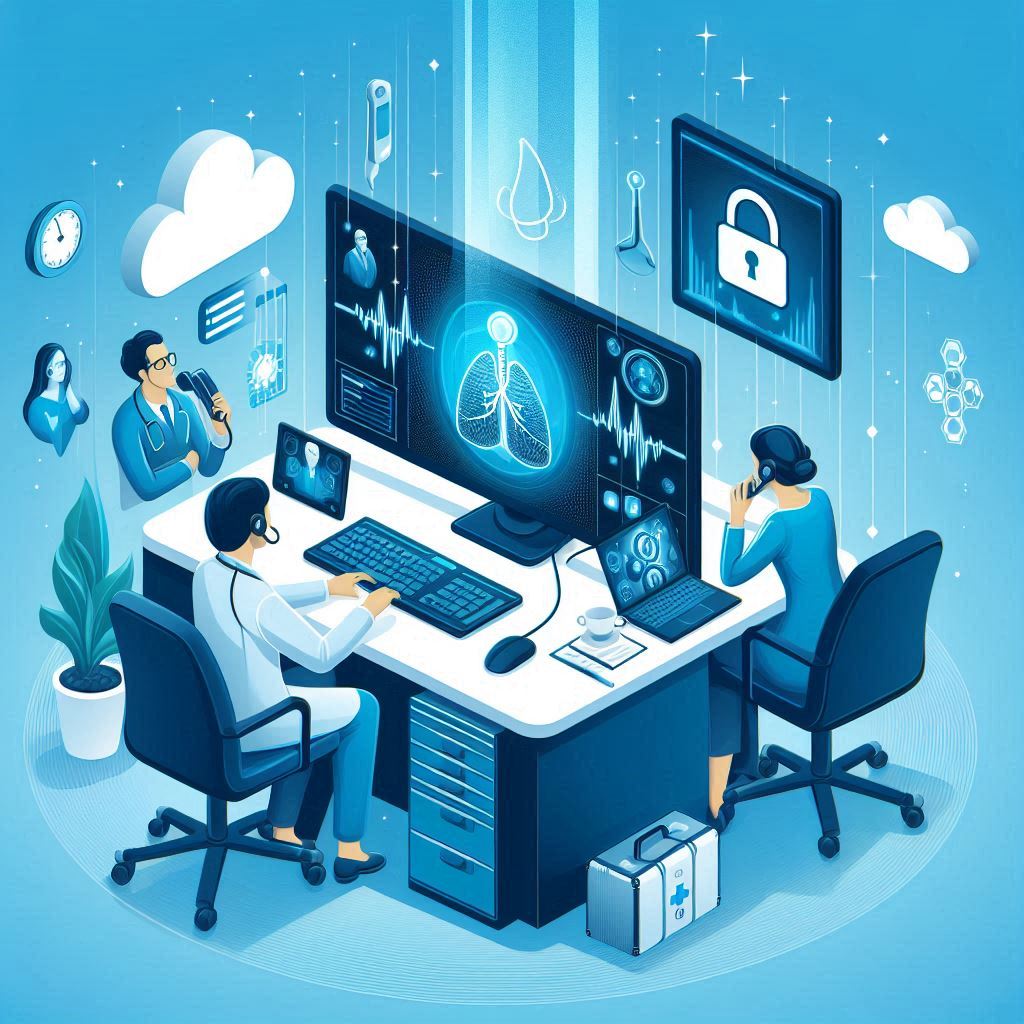
Teleradiology refers to the process of condition management transmitting radiological images, such as X-rays, CT scans, MRIs, and ultrasounds, from one location to another for interpretation and diagnosis by qualified radiologists. The images are shared digitally through secure platforms, allowing radiologists to provide diagnostic reports without being physically present at the location where the scan was performed.
This model of healthcare delivery is a boon for areas facing a shortage of radiologists or where immediate expert interpretation is required. With the growing demand for accurate and quick diagnostics, teleradiology has become an essential component of modern healthcare systems.
The Importance of Teleradiology Services
The need for efficient diagnostic services is on the rise due to increasing health awareness, advancements in medical technology, and a higher incidence of chronic diseases. However, the availability of radiologists is unevenly distributed, particularly in developing countries.
Teleradiology services offer a reliable solution by enabling healthcare facilities to access experienced radiologists 24/7. This not only reduces the burden on in-house medical staff but also ensures faster turnaround times for diagnostic reports, leading to prompt treatment and improved patient outcomes.
The key benefits of teleradiology include:
- Access to Expert Radiologists: Even remote hospitals and clinics can receive expert opinions from qualified radiologists.
- Faster Diagnosis: Quick interpretation of medical images can significantly reduce the time taken to start treatment, especially in critical cases.
- Round-the-Clock Service: Many teleradiology providers operate 24/7, ensuring that diagnostic services are always available.
- Cost-Effective Solution: Smaller hospitals and clinics can save on costs by outsourcing radiology services instead of hiring full-time specialists.
- Improved Patient Care: Timely and accurate diagnosis leads to better treatment decisions, enhancing overall patient care.
Growing Demand for Teleradiology Services in India
India, with its vast population and diverse geography, faces unique healthcare challenges. While major metropolitan areas are equipped with advanced medical facilities, rural regions often lack access to basic healthcare services, let alone specialized diagnostics.
In this context, teleradiology services in India are playing a crucial role in improving healthcare accessibility. Many government and private healthcare providers are adopting teleradiology to overcome the shortage of radiologists, especially in tier-2 and tier-3 cities and rural areas.
Additionally, the increasing penetration of internet connectivity, advancements in digital imaging technology, and the growing acceptance of telemedicine have further fueled the demand for teleradiology in the country.
Technological Advancements Supporting Teleradiology
The success of teleradiology relies heavily on reliable technology. Secure internet connections, cloud-based storage, and advanced imaging software ensure that high-quality images can be shared and interpreted quickly and accurately.
Artificial Intelligence (AI) is also making its mark in the field of teleradiology. AI-powered tools assist radiologists by automating image analysis, identifying potential issues, and flagging abnormal findings. This not only speeds up the diagnostic process but also helps reduce human error.
Moreover, the use of Picture Archiving and Communication Systems (PACS) and Radiology Information Systems (RIS) allows for seamless storage, retrieval, and management of medical images and reports.
The Future of Teleradiology in India
The future of teleradiology services in India looks promising. As technology continues to evolve and the demand for quality healthcare grows, more hospitals, diagnostic centers, and clinics are expected to adopt teleradiology. This will not only improve healthcare accessibility in underserved areas but also enhance the efficiency and quality of diagnostic services nationwide.
Conclusion
Teleradiology services are transforming the condition management program healthcare landscape by making expert diagnostic interpretations accessible, affordable, and efficient. In a country like India, where healthcare disparities still exist, teleradiology is bridging the gap between patients and quality healthcare, ensuring timely and accurate diagnoses that can save lives.
 digitaldata
Leave a comment